How to measure and control blood pressure at home
Learn how to measure your blood pressure at home the right way. Avoid common mistakes and follow proven tips to maintain heart health and prevent hypertension.

Contents
Introduction
Blood pressure is one of the most important health indicators. In Tashkent and across Uzbekistan, the number of people suffering from hypertension (high blood pressure) or hypotension (low blood pressure) is growing. Experts say that everyone should regularly check their blood pressure at home to prevent heart and vascular diseases early.
This guide explains how to measure blood pressure at home, common mistakes to avoid, and practical tips for monitoring your health.
Why is Home Blood Pressure Monitoring Important?
- Early detection – hypertension often has no symptoms. Regular checks help detect it before complications.
- Better monitoring – doctors need not only clinical results but also home measurements.
- Reduced risks – prevents stroke, heart attack, and serious cardiovascular diseases.
- Convenience – fast, safe, and comfortable at home.
Methods of Measuring Blood Pressure
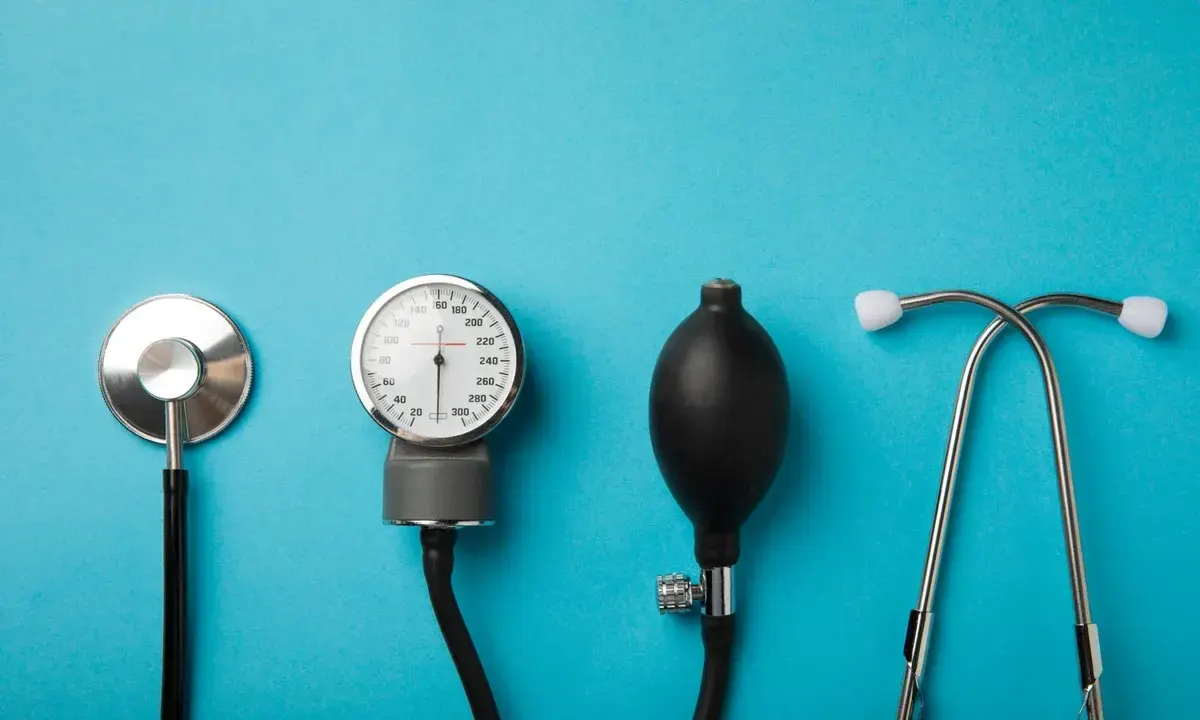
- Manual sphygmomanometer – accurate but requires skill.
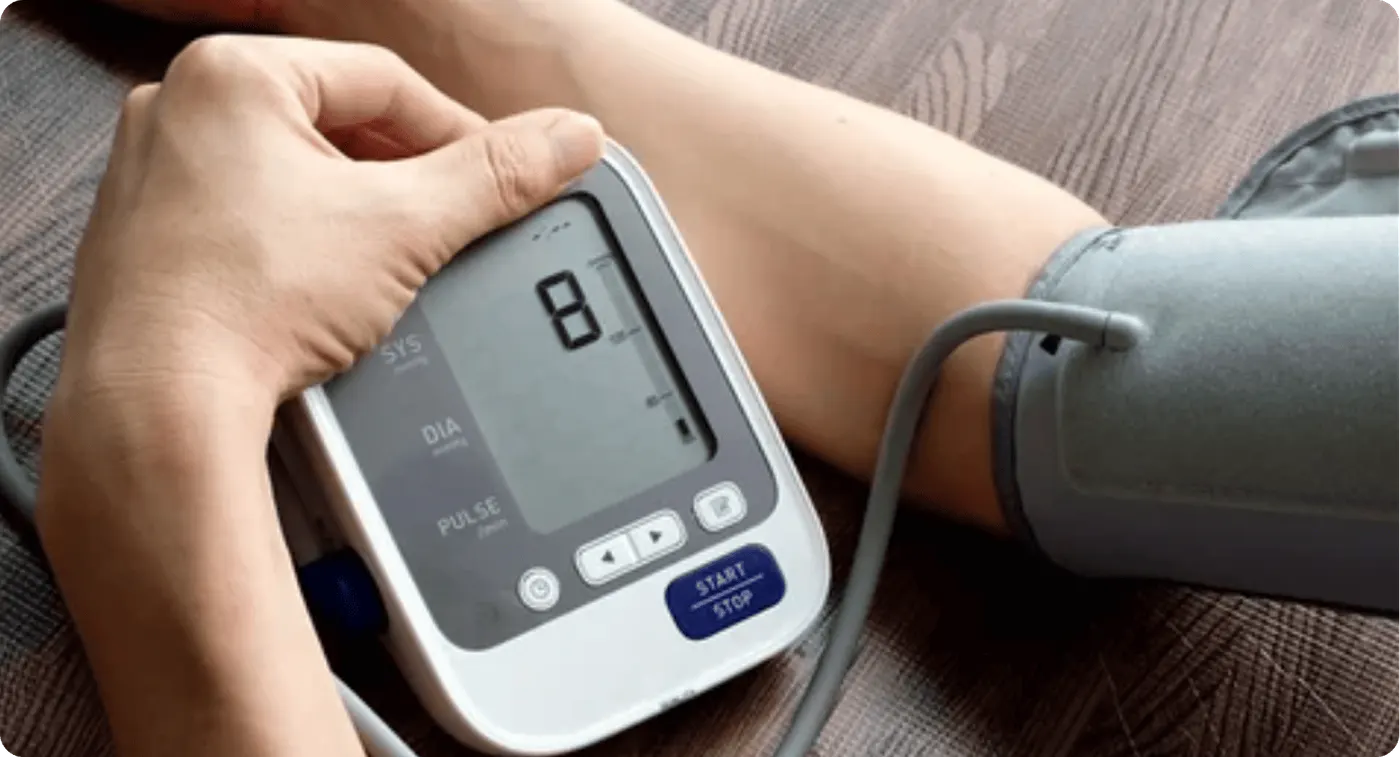
- Automatic (digital) monitor – the most common and user-friendly option.
- Semi-automatic monitor – pump manually, result shows on screen.
Common Mistakes People Make
1. Drinking coffee or tea right before measuring.
2. Smoking before measurement.
3. Incorrect arm position.
4. Talking or moving during measurement.
5. Measuring multiple times in a row without rest.
Tip: Rest 5 minutes before measuring and write down the result.
Tips for Better Blood Pressure Control
- Measure at the same time every day (morning & evening).
- Keep a diary or use a mobile app to track results.
- Calculate average results weekly.
- Visit a doctor if readings are constantly high or low.
Symptoms of Hypertension
- Headache
- Ringing in ears
- Fast heartbeat
- Blurred vision
- Fatigue
Symptoms of Hypotension
- Weakness and dizziness
- Cold sweat
- Fainting
- Tiredness
When Should You Call a Doctor?
- If readings are consistently above 140/90 mmHg
- If readings drop below 90/60 mmHg with bad symptoms
- If sudden chest pain, vision problems, or fainting occurs
Why Call a Nurse at Home?
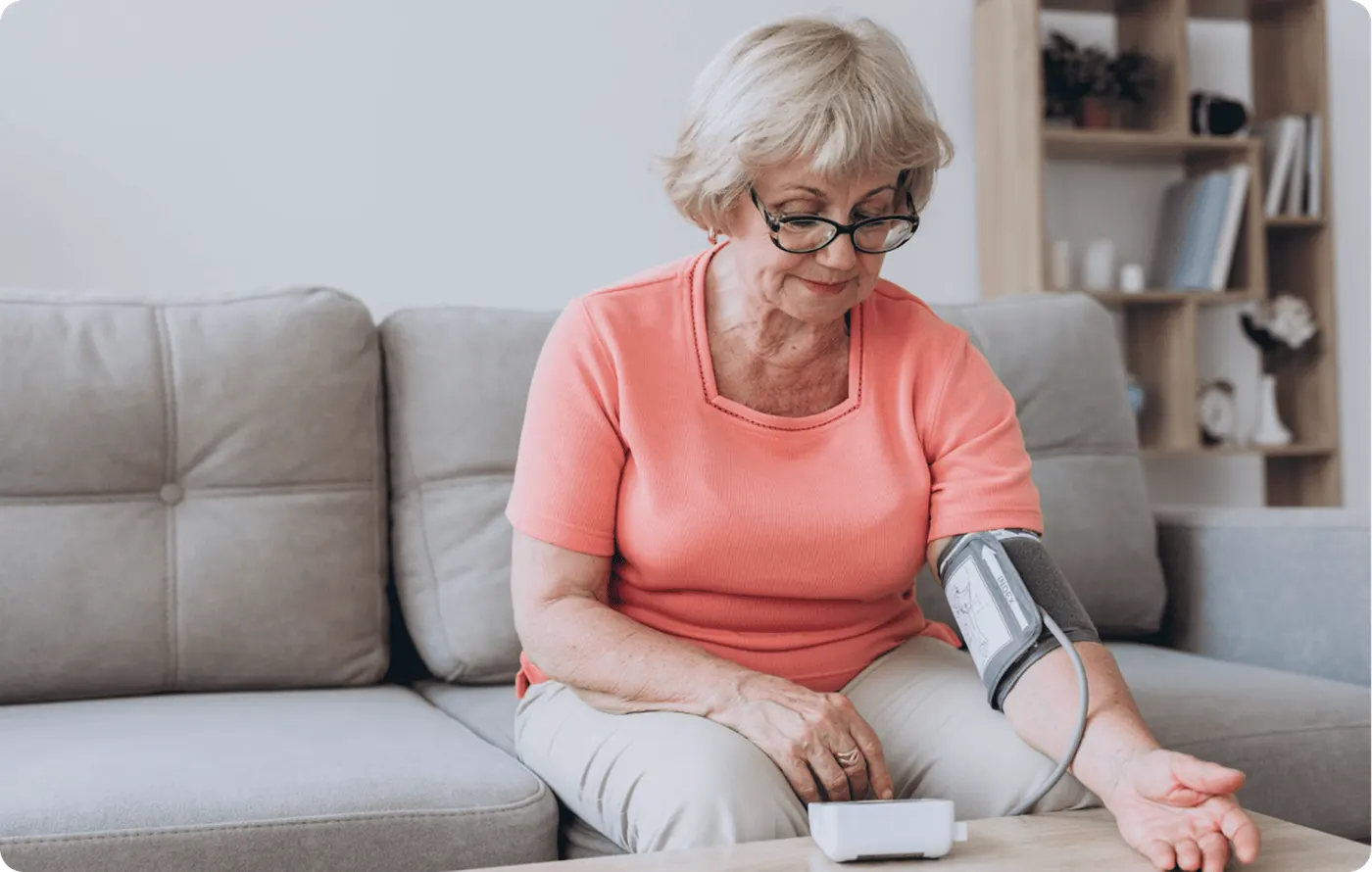
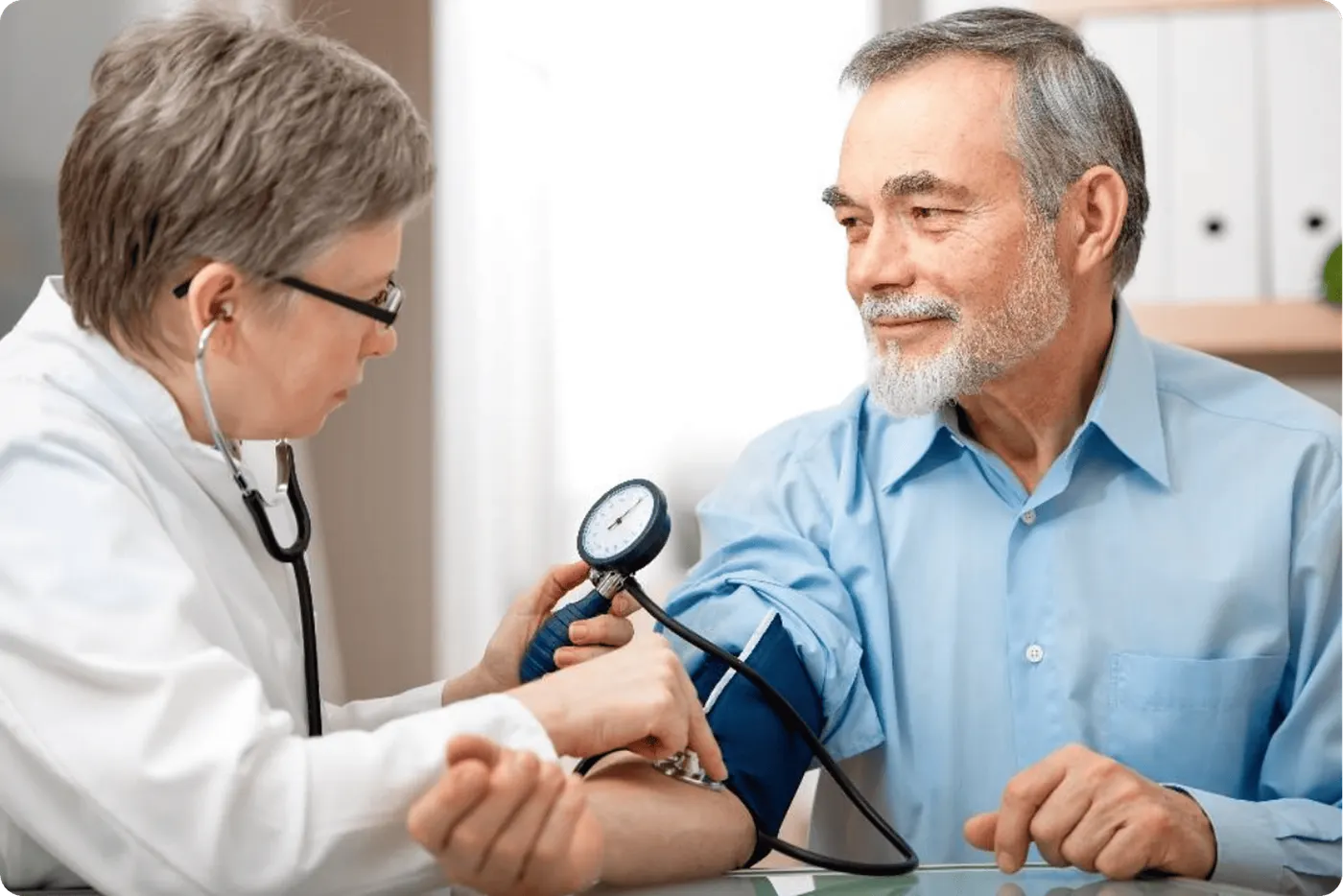
Some people – especially elderly or those with chronic diseases – struggle with measuring blood pressure themselves. In such cases, calling a professional nurse at home can help:
- Take correct blood pressure measurements.
- Provide injections or IV therapy if needed.
- Give quick health advice.
- Record results for your doctor.
Conclusion
Regular home blood pressure monitoring is essential for a healthy life. Knowing how to measure correctly and track results may prevent serious health problems.
If you need help, call a professional nurse at home via OnlaynHamshira.uz. Our team serves all over Tashkent with fast and reliable care.